
Brayden Baby

Detailed Overview

Brayden Baby
The first Illuminating Infant CPR

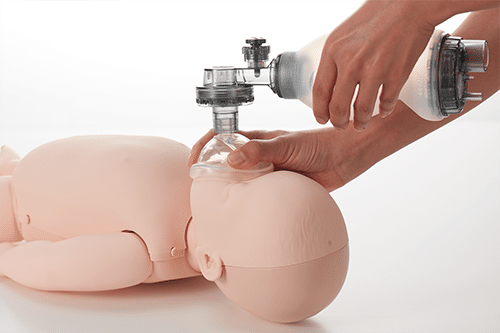
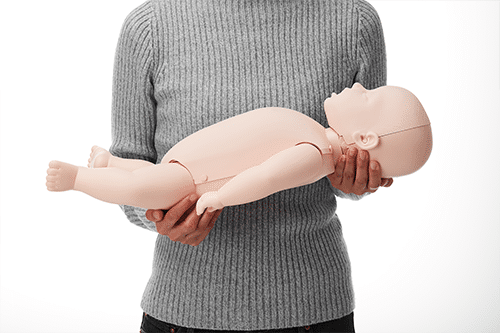
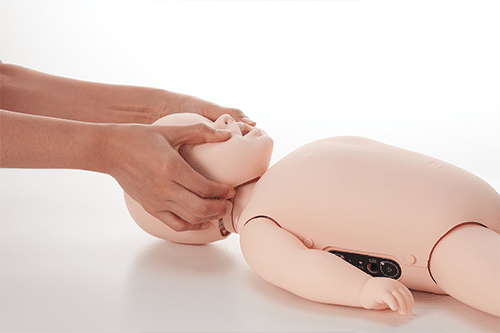
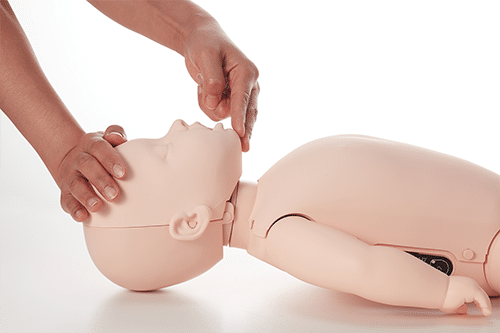
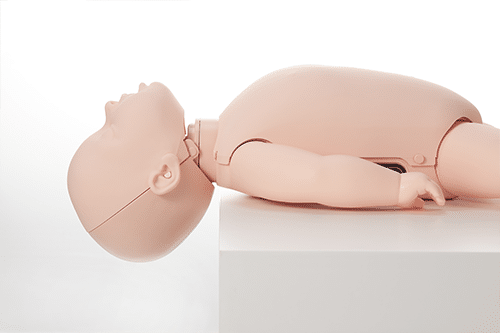
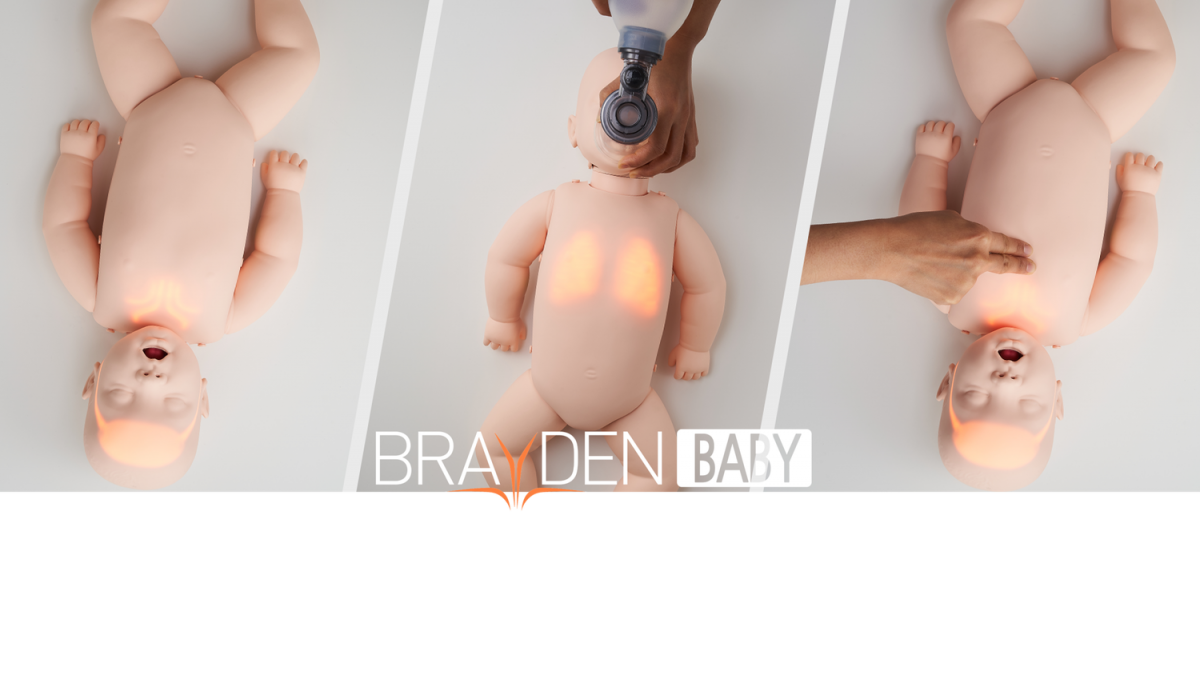
Brayden Baby is the first ever illuminating infant CPR manikin that allows real-time visual feedback on infant’s chest compression and ventilation through the use of intuitive and interrelated lights.

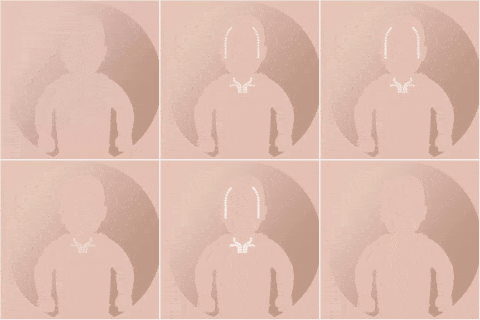
Developed through the collaboration with European resuscitation experts, Brayden Baby’s unique characteristics include intuitive lights that enables real-time infant CPR feedback for ventilation training and lights providing real-time feedback for chest compression (depth, rate, recoil and finger/thumb position). When all elements of chest compression are performed correctly, an optimal CPR quality indication light illuminates on the forehead of the Brayden Baby manikin. These features aims to guide the student to perform good quality infant CPR. Brayden Baby is ideal for Paediatric BLS, EPALS and EPILS.

"The Brayden Baby is a very useful manikin for teaching good quality infant CPR according to current Guidelines. It has evidently been designed with help from experts! The lights on the manikin give excellent intuitive real-time CPR feedback and help guide the student to perform correct ventilation technique for an infant and also help guide the student to perform good quality chest compressions. It is essential that both these key component parts of infant CPR are performed to the highest level in real life to help optimise survival. The Brayden Baby manikin, in my opinion, is unique in its ability to do this."

Ventilations
HTM Medico heartsine lifepak Primedic Zoll Lifeline AED CPR
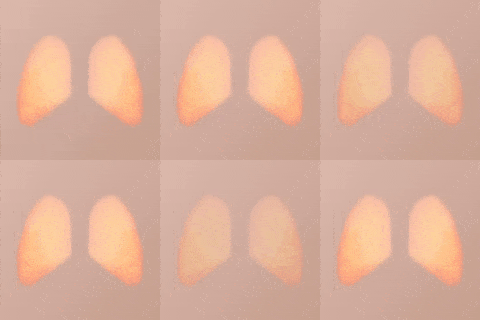
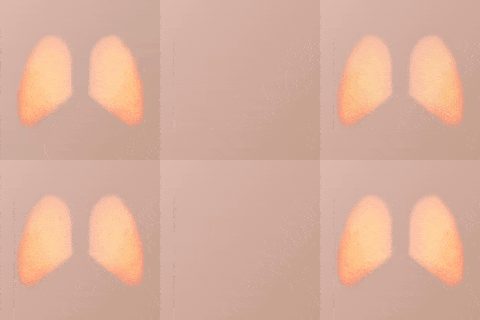
Correct Ventilation
The lights at the lung section should illuminate steadily when correct volume and rate is administered.
HTM Medico heartsine lifepak Primedic Zoll Lifeline AED CPR
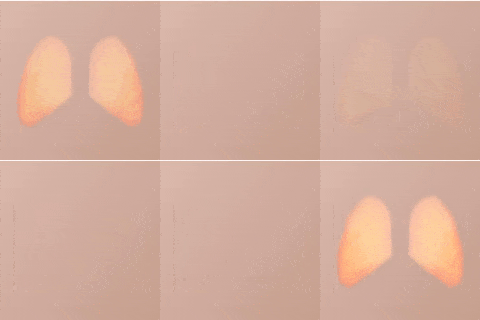
Ventilating too fast

When ventilating too fast, the lights indicators will blink twice before fading off

HTM Medico heartsine lifepak Primedic Zoll Lifeline AED CPR
Ventilating too much

When over-ventilation occurs, the light indicators will blink rapidly

Chest Compression
HTM Medico heartsine lifepak Primedic Zoll Lifeline AED CPR
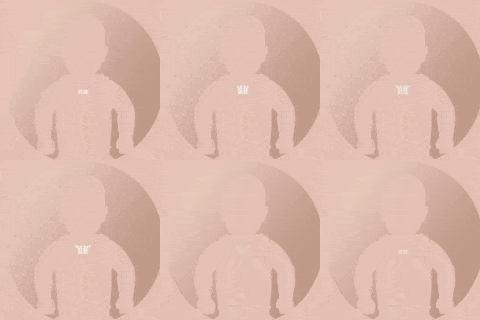
Correct Compression Rate and Depth

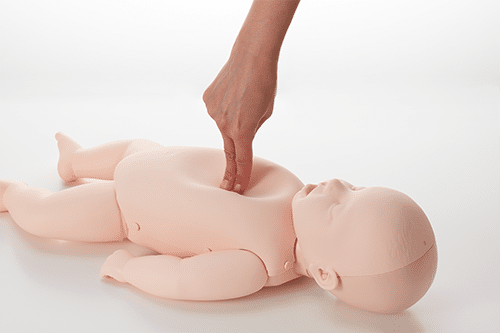
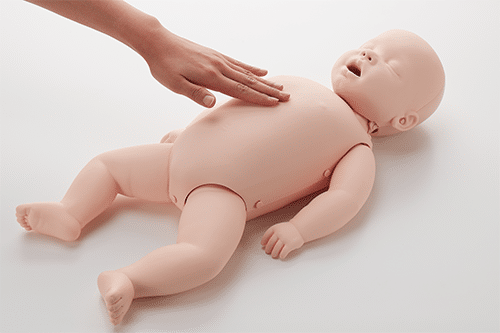
The chest compression can be performed on an infant using the 2-fingers method (or the 2-thumbs encircling technique) positioned in the middle, just below the nipple line. The correct compression depth is at least 1/3 of the AP (Anterior, Posterior) distance of the manikin, depth of the chest (4cm) and at the rate of 100 to 120 per minute. The ratio of compression to ventilation per cycle is subjected to compliance of local guidelines.

The real-time infant CPR feedback from the lights of Brayden Baby allow effective training and visualization of good quality chest compression and ventilation.

HTM Medico heartsine lifepak Primedic Zoll Lifeline AED CPR
Compression too deep

Compression depth for infant CPR should be 1/3 of the AP distance of manikin (4cm). Press gently!
HTM Medico heartsine lifepak Primedic Zoll Lifeline AED CPR
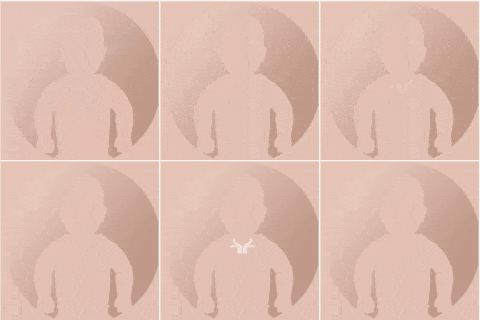
Incomplete recoil / finger positioning

Brayden Baby will emit lights on the chest and on the sides of the head. However, the head will not light up.
Re-adjust your finger positioning or ensure a complete release / recoil between compression.

HTM Medico heartsine lifepak Primedic Zoll Lifeline AED CPR
Compression too shallow

Compression depth for infant CPR should be 1/3 of the AP distance of manikin (4cm). Press harder!

HTM Medico heartsine lifepak Primedic Zoll Lifeline AED CPR
Compression too fast

Compression rate should be between 100 – 120 per minute. The side head’s lights will blink rapidly if you compress over 120 per minute. The side head’s lights will blink slowly if you compress below 100 per minute.

Why Choose Us as your AED Supplier?

You deserve a partner as responsive as you are. When you invest in our AED, you are purchasing our commitment to customer care and support.

We are the AED Expert and the preferred AED supplier in the Singapore market for over 15 years of deep industry experience.

Largest AED Installation based in Singapore and 100% Focus on AED and CPR Solutions.


FAQ

Sudden Cardiac Arrest is the sudden, unexpected loss of heart function, breathing and consciousness. Is a result from an electrical disturbance in your heart that disrupts its pumping action, stopping blood flow to the rest of your body

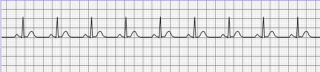
Normal Heart Activity:
Note the regular pattern with each beat of the heart sudden-cardiac-normal-heart.
HTM Medico heartsine lifepak Primedic Zoll Lifeline AED CPR

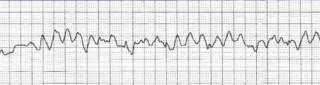
Sudden Cardiac Arrest:
The heart enters a chaotic, typically ventricular fibrillation (VF) rhythm. The spikes disappear and a rapid, “wavy” pattern occurs
HTM Medico heartsine lifepak Primedic Zoll Lifeline AED CPR

Problem:
The heart cannot pump blood effectively and the victim will collapse.

Symptoms:
1. Victim is unconscious
2. Not breathing spontaneously
3. No pulse

Sudden Cardiac Arrest (SCA) occurs when the heart suddenly stops beating properly, causing loss of blood flow to the body and brain. Common signs include sudden collapse, unconsciousness, no pulse, and absence of normal breathing. Some people may experience warning symptoms before SCA, such as chest pain, dizziness, shortness of breath, weakness, nausea, or heart palpitations. SCA is a medical emergency that requires immediate action.

Performing CPR and using an automated external defibrillator (AED) quickly can improve survival chances. Early recognition and fast treatment are essential to help save a person’s life.

The immediate cause of SCA is usually an abnormality in your heart rhythm, the result of a malfunction in your heart electrical system.

Cardiac Disease (65% – 70%)

  • Coronary Heart Disease (Reduce blood flow to the heart)
  • Heart Attack (Scaring of Tissues)
  • Enlarged Heart (Cardio myopathy)
  • Congenital and Valvular Disease
  • Electrical Problems in Heart

Non Cardiac (30% – 35%)

  • Electric Shock
  • Drowning
  • Trauma to Chest / Head area
  • Overdose of Illegal Drugs
  • Stress

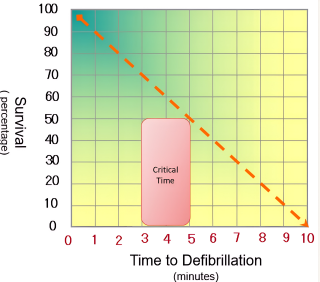
The chance of survival drops by 10% for every minute that nothing is done to resuscitate the patient.
HTM Medico heartsine lifepak Primedic Zoll Lifeline AED CPR

An Automated External Defibrillator (AED) is a portable medical device used to help people experiencing sudden cardiac arrest (SCA). It works by analyzing the heart’s rhythm and delivering an electric shock, if needed, to restore a normal heartbeat. AEDs are designed to be simple and safe for anyone to use, even without medical training, because they provide clear voice and visual instructions. They are commonly found in public places such as schools, airports, offices, and shopping malls. Quick use of an AED, together with CPR, can greatly increase a person’s chances of survival after sudden cardiac arrest.

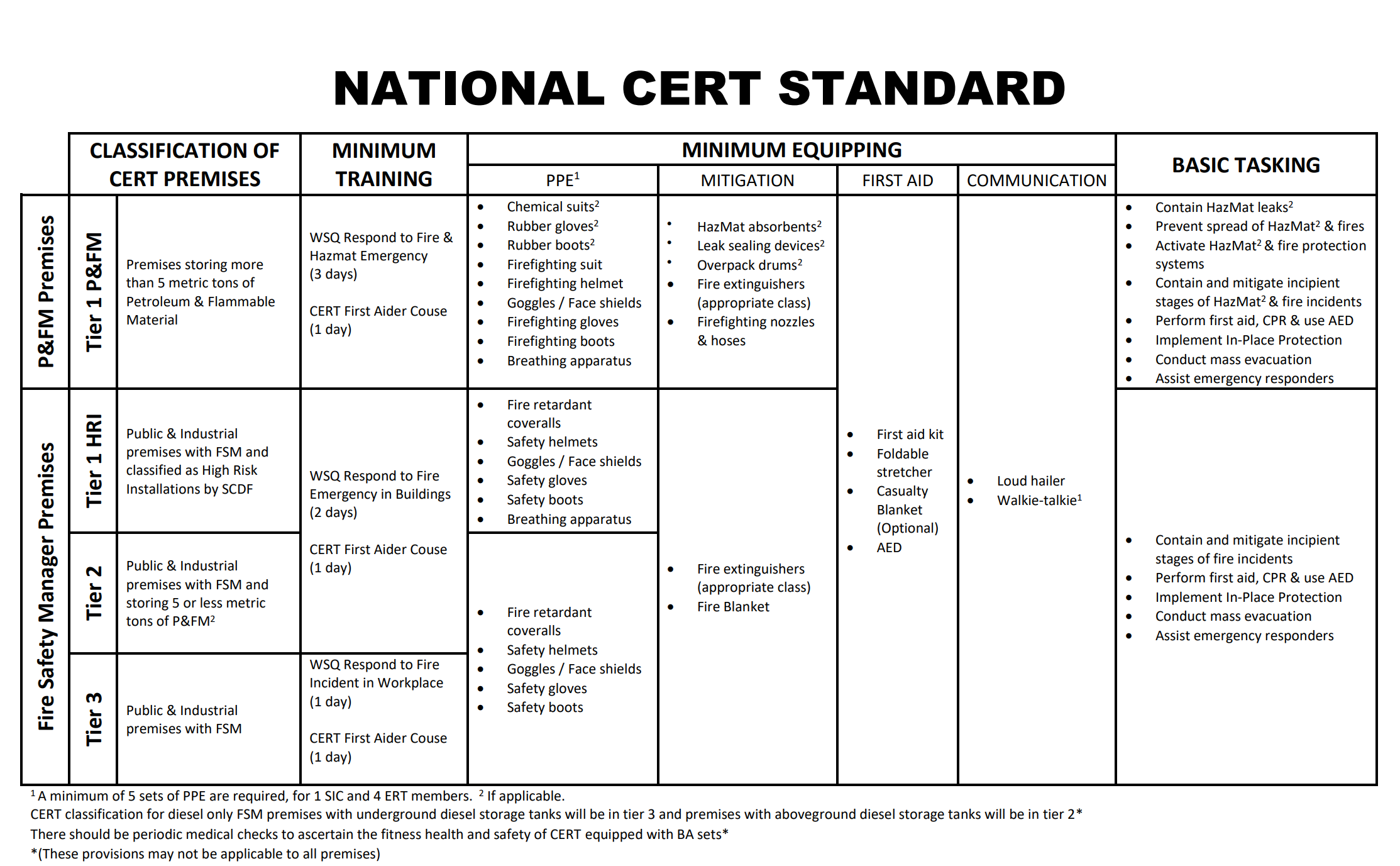
1. AED is now the standard equipment stipulated by the National CERT Standard!
With amendment to the Fire Safety Act on 1 Sept 2013, all premises with Fire Safety Managers are required to set up a Company Emergency Response Team (CERT).
HTM Medico heartsine lifepak Primedic Zoll Lifeline AED CPR

2. Audit Requirement:
Premises shall be audited by SCDF on the CERT scheme. Failure of the audit, the premises maybe subjected to re-audit or revoke of P&FM storage license.

3. Failure to form CERT:
The owner or occupier of the specified premises shall be guilty of an offence and is liable for a fine not exceeding S$10,000 or imprisonment not exceeding 6 months or both.